Cultural due diligence is often skipped, but it's where most M&A failures begin. Find out why deal teams overlook it and the costly chain reactions that follow.
Why Cultural Due Diligence Gets Skipped
Despite decades of evidence that cultural misalignment destroys deal value, most transactions still proceed without systematic cultural assessment. The reasons are predictable:
1. "We Don't Have Time"
Deal timelines are compressed. Exclusivity periods are short. Legal and financial diligence consume available bandwidth. Culture gets pushed to "post-close" because it seems less urgent.
The reality: cultural issues don't wait. By the time you're integrating, the damage is already accumulating.
2. "Culture Can't Be Measured"
Traditional cultural assessment relied on interviews and intuition, subjective, time-consuming, and easily dismissed as "soft." Deal teams focused on what could be quantified: revenue, costs, synergies.
The reality: behavioral patterns are now measurable. The excuse of unmeasurability no longer holds.
3. "We'll Figure It Out in Integration"
Optimism bias runs strong in M&A. Teams assume that smart people will find ways to work together. Cultural differences seem manageable from a distance.
The reality: integration is when cultural friction compounds, not when it resolves.
4. "The Financials Look Great"
Strong historical performance creates confidence. If the business has executed well, surely the people will continue to execute? Cultural diligence seems redundant.
The reality: past performance was under existing leadership and culture. Changing ownership changes everything.
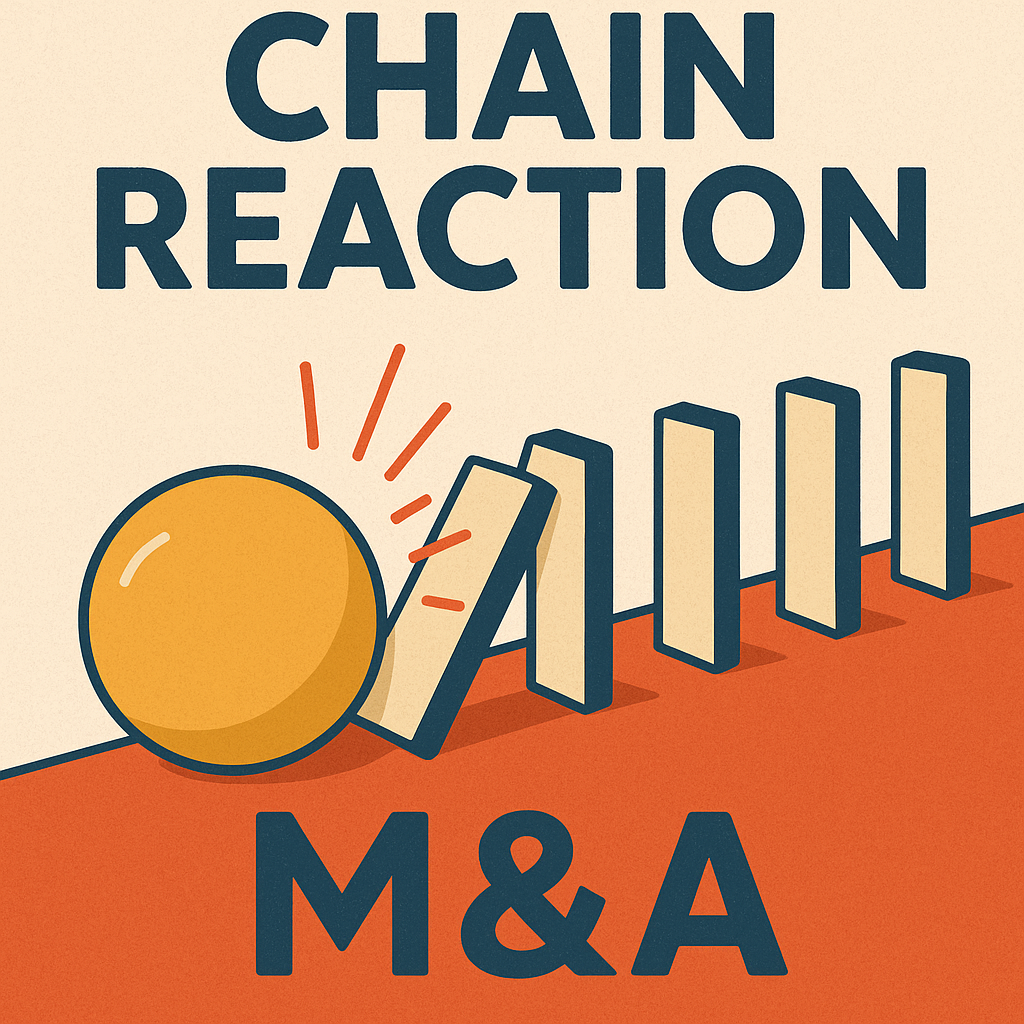
The Chain Reaction When CDD Is Skipped
What happens when cultural due diligence is deferred? A predictable sequence unfolds:
Week 1-4: Hidden Friction Emerges
Leadership teams discover they interpret priorities differently. Meeting styles clash. Decision rights are unclear. Everyone is too polite to name the problem.
Month 2-3: Key Talent Gets Nervous
High performers sense the dysfunction before it shows in metrics. They update their LinkedIn profiles. Recruiters start calling. The talent market notices the deal.
Month 4-6: Exodus Begins
The first departures trigger others. Institutional knowledge walks out. Customer relationships weaken. The acquiring team doesn't have context to fill the gaps.
Month 6-12: Performance Declines
Integration milestones slip. Synergies fail to materialize. The board starts asking questions. By now, the damage is structural.
Year 2+: The Post-Mortem
"Cultural issues" gets listed as a contributing factor. Everyone agrees culture should have been addressed earlier. The same mistake gets repeated on the next deal.
Breaking the Cycle
The chain reaction is preventable. Cultural due diligence before signing provides:
- Clear visibility into behavioral compatibility
- Specific friction points to address in integration planning
- Retention strategies for key talent
- Realistic timelines based on cultural complexity
The cost of CDD is trivial compared to the cost of the chain reaction. The only question is whether your deal process is designed to prevent it.
About the Author
Simone Vascotto is the Founder of HumanaQ, the AI-powered platform for Cultural Due Diligence and leadership alignment in M&A.