Culture Follows Power, Not Posters
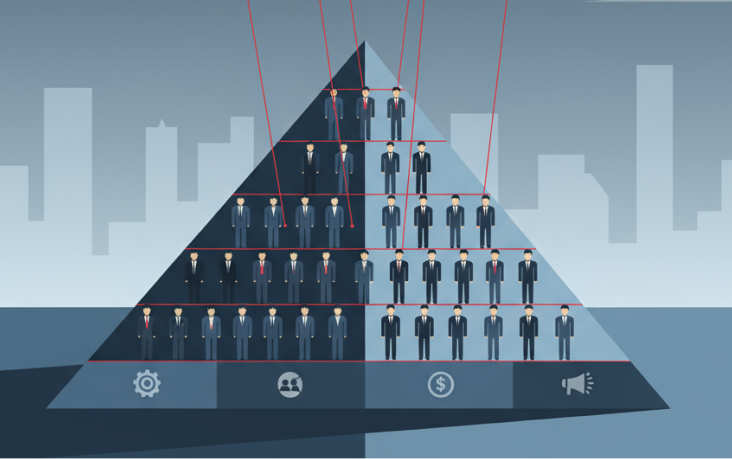
Leaders model what is rewarded, tolerated, and punished. Their behaviors form the true cultural blueprint that others copy, consciously or not.
If leadership says:
"Innovation is a priority,"
but rejects every risk-taking idea?
You don't have an innovation culture.
If leadership claims:
"People are our greatest asset,"
but success is rewarded only by cost-cutting?
You don't have a people-first culture.
The tone comes from the top.
And the rest of the business tunes to that frequency.
Why This Matters in M&A
When companies merge, the real integration challenge isn't technology, it's decision-making and communication alignment.
If leadership teams differ on:
- Speed vs. caution
- Autonomy vs. control
- Directness vs. diplomacy
- Short-term wins vs. long-term resilience
Then everyday decisions will clash.
Small misalignments compound into:
- Delays
- Talent flight
- Lost customers
- Integration debt
- Deal-value erosion
And it's all preventable, if you assess leadership culture early.
Boards and Investors Care About Leadership Behavior
As governance scrutiny and stakeholder visibility increase, due diligence must extend far beyond vision slides or personality fit.
Top-down cultural due diligence identifies:
- Behavioral alignment between leadership teams
- Leadership maturity under stress and ambiguity
- Trust dynamics (cooperation vs. conflict risks)
- Decision-making style compatibility
- Cultural roadmap for integration success
This becomes a strategic negotiation tool before the deal signs, not an HR cleanup afterward.
How Modern Tools Make This Measurable
The old way: interviews, guesswork, gut feeling.
The new way: data.
Advances in behavioral science, psychometrics, and AI-driven language analysis allow investors and acquirers to quantify leadership behavior with speed and objectivity, at scale.
Tools like HumanaQ bring structure to what was previously intuition:
- NLP analysis of leadership communication
- Pattern recognition of decision-making styles
- Quantified alignment scores with risk flags
- Insights mapped directly to integration priorities
This means no more hoping cultures align, you measure it.
Bottom Line
Cultural due diligence cannot start with employees.
It must start with the people who shape what employees experience.
A deal is only as strong as the alignment of those who will lead it.
If you want results, start at the top.
About the Author
Simone Vascotto is the Founder of HumanaQ, the AI-powered platform for Cultural Due Diligence and leadership alignment in M&A.