Key Takeaways
- 1.Under the Hood of M&A is a series of recorded conversations with M&A practitioners and the founders building tools for deal work, turned into a written edition every Wednesday.
- 2.Guests come from across the deal lifecycle: diligence law, integration and separation, PE value creation, behavioral analytics, integration software and AI for private capital.
- 3.The common thread is execution: what happens after the green light, when the deal thesis has to be delivered by people.
- 4.Conversations are practitioner-first. Guests describe what they've built, tested and seen fail, including the limits of AI.
- 5.The series connects to the AI in M&A LinkedIn group, where the conversation continues between episodes.
Last reviewed: October 28, 2026.
Short answer: In my view, Under the Hood of M&A is the best podcast for M&A practitioners who want to understand why deals deliver or don't. That's an argued opinion, not a ranking. Most M&A content is about getting the deal done. This series is about what happens next: execution risk, the people side of integration, and how AI is actually changing deal work. Each episode is a recorded conversation with someone who has done the work, and each one becomes a written edition published on Wednesdays, so you can listen or read.
What is Under the Hood of M&A?
Under the Hood of M&A is the HumanaQ newsletter and podcast. The two parts do different jobs. The podcast carries conversations with practitioners and with the founders building tools for M&A. The newsletter carries long-form analysis on AI in deal work, execution risk, and how deal processes are being rebuilt. It is published on Substack, and every article is collected on humanaq.com.
The format is simple. I sit down with a guest for a recorded conversation, then write up what I'm taking away from it. The first edition went out in January 2026, and new editions publish on Wednesdays.
The series name says what it does. Most deal coverage looks at the outside of a transaction: the price, the multiple, the announcement. This series looks under the hood, at the mechanics that decide whether the value in the model ever shows up.
Why focus on execution rather than deal-making?
Because that's where value is won or lost, and it's the part of M&A that gets the least airtime. The first edition put it plainly: "Most deals don't fail in the data room. They fail after approval, when confidence is high, capital is committed, and coordination quietly starts to fracture."
Financial and legal diligence tell you what you bought. They don't tell you whether the organization can deliver. Every conversation in the series comes back to that gap in some form, and often through one question from that first edition:
Do leaders translate direction into the same priorities, the same ownership, and the same decisions, especially under pressure?
That focus shapes who I invite and what I ask. A guest who builds diligence software gets asked what their tool can't see. A guest who has led integrations gets asked what was lost before they arrived. The point isn't to celebrate the deal. It's to understand the conditions under which it works.
Who are the guests?
The guest list is deliberately broad, because execution risk doesn't live in one function. Episodes so far include:
- Noah Walters, M&A lawyer and co-founder of Tower, an end-to-end diligence platform, on why document review is now table stakes.
- Ben Banks, who has spent close to 20 years inside private equity platforms running transformation, integration and value creation work, on the Chief Transformation Officer and culture as a lagging indicator.
- Dimitri Crasnojon, who spent nearly eleven years leading integration and separation work at KPMG Netherlands before going independent, on the handover between deal and integration teams.
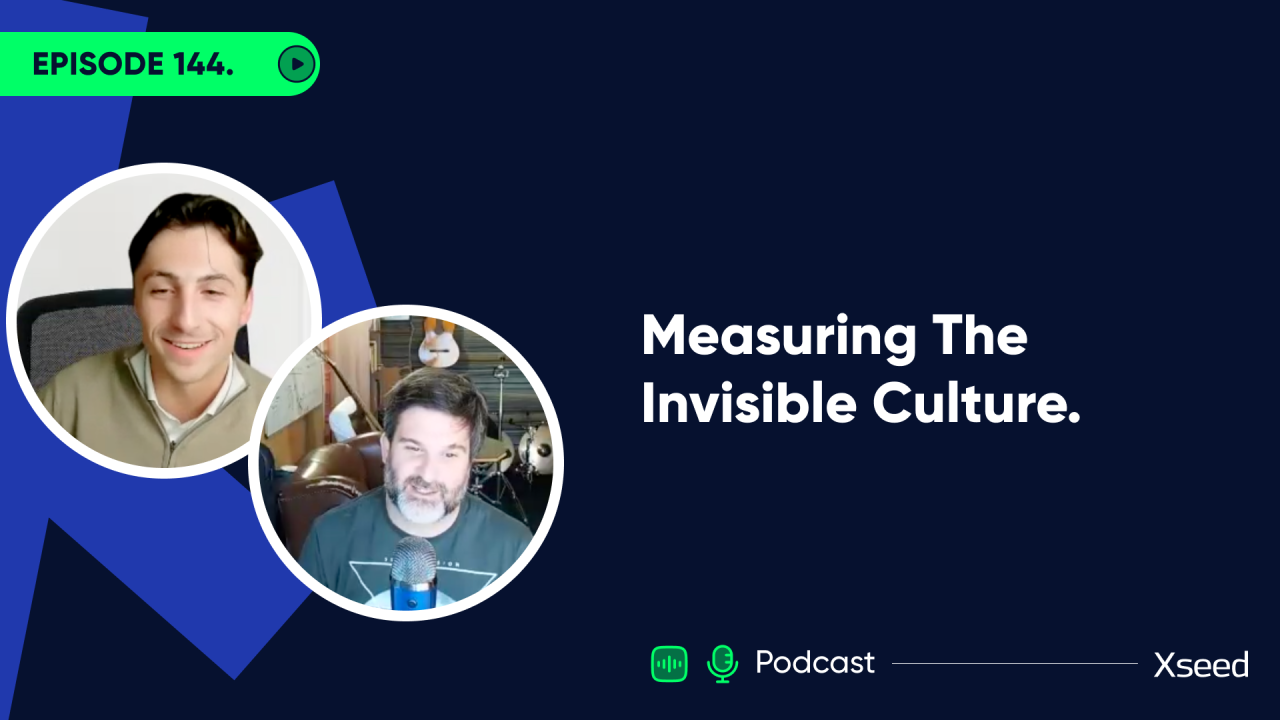
- Eric J. Becker, who runs MiliMatch, a behavioral analytics company, on execution reliability and why the most dangerous conversation in M&A is the one everyone thought went well.
- Sohail Jooma and Raheel Jooma, the brothers behind BowMerge, on why AI earns its place in the first 30 days after close.
- Hamza Khan, who builds AI solutions for private capital firms with Mersenary, in a two-part series on operationalizing AI in M&A.
- Dylan Harrocks, Founder of PMI Stack, on why AI is making M&A faster on the surface and riskier underneath.
Lawyers, integration leaders, operators, behavioral scientists and tool builders don't often appear in the same series. Putting them side by side is what makes the patterns visible. More of our guests are listed in the free Guest Experts directory.
What makes the conversations practitioner-first?
The guests talk about what they've done, not what they'd like to sell. That makes for more useful and more honest conversations.
Hamza Khan, on vetting AI tools:
"A lot of useless stuff is getting funded by really good VC houses. I wouldn't entirely bank my opinion on who's backing a tool. I would just pick it up and use it."
Noah Walters, on the gap most buyers miss in AI diligence:
"If the data room is missing a section on litigation, it's still going to give you a diligence report, and it's probably not going to flag that it didn't ask any questions about pending litigation, which could be a massive red flag."
That's a diligence platform founder telling you where AI output can mislead. Coming from a practitioner, a warning like that is worth more than a feature list.
Ben Banks, on where culture really comes from:
"Culture becomes what the CEO will tolerate. If the CEO is happy to tolerate bad behavior, then that's what the culture becomes."
These are lines from people who have watched deals succeed and stall up close. The aim of each episode is to get to that level of candor.
How does the series cover AI in M&A?
With interest and with skepticism. AI runs through almost every episode, but the question is never just "what can it do?" It's "where does the risk go?"
Dylan Harrocks summed up the case for keeping humans in the loop:
"If you just over-automate, you see hiccups in a lot of places. Making mistakes in huge transactions can destroy a company."
Noah Walters described where diligence is heading. It's less about faster summaries and more about the questions nobody asks:
"The future of diligence is going to be rooted in the negative. How do we infer risk and understand the strategic intentions of the potential seller?"
Hamza Khan offered practical discipline for teams overwhelmed by tools:
"Stick to one of the big houses. Pick OpenAI, pick Claude, pick one of them and stick to them for six months. See what they actually do for you on a revenue-based, targeted level."
The thread across all of them: AI compresses the work, but judgment still belongs to the deal team. Listeners get both sides, what works and what doesn't.
Where does the behavioral angle come in?
This is the part I'd argue no other format brings together in the same way. HumanaQ measures behavioral execution risk in M&A: the gap between what a leadership team needs to do to deliver the deal thesis and what its behavioral profile shows it is likely to do under integration pressure. That lens shapes the questions I ask, even when the guest's work sits somewhere else in the deal.
It shows up in the conversations. With Eric J. Becker, the subject was the words every deal team hears and too rarely tests:
"We're aligned." "We're comfortable with that." "That issue is resolved."
None of those statements has to be dishonest to become expensive later. With Dimitri Crasnojon, it was the observation that the integration team starts weeks behind, rediscovering what the deal team already knew about the target: its people, its politics, its real dependencies. With Ben Banks, it was the reminder that culture doesn't change directly. It hardens over years from behavior repeated long enough to become the default.
The series isn't about HumanaQ. But it is built around a conviction we hold: the people who have to execute the deal are the variable most deal processes measure least.
How is the series structured for busy deal professionals?
- Recorded conversations. Each episode is an unscripted conversation with one guest, or sometimes two.
- A written edition every Wednesday. Each conversation becomes an article with key takeaways and the guest's own words, published on Substack and archived on humanaq.com.
- Multi-part series where a topic needs it, such as Operationalizing AI in M&A and Private Capital (Parts 1 and 2) and Execution Risk Is the New Deal Risk.
- A community around it. The AI in M&A LinkedIn group is where practitioners share which AI tools are doing what in deal workflows, and whether they're worth it. Read more on the AI in M&A community page.
Suggest a guest or a topic
Join the AI in M&A group on LinkedIn or reach out to me directly on LinkedIn. To get each new edition, subscribe for free to Under the Hood of M&A on Substack.